The Rifle Range Prescribed Fire project is 7 miles southwest of Raco and on the south side of M28 in T46N/R4W, Sections 30 & 31.
The 573-acre burn will reduce hazardous fuel loadings within the wildland urban interface and will maintain wildlife habitat.
The Porcupine Prescribed Fire project is 6 miles west of Raco, and on the north side of M28 in T46N/R4W, Section 20. This 479-acre burn will improve wildlife habitat and maintain a fuel break to prevent future catastrophic fires.
During active burning, smoke may be visible from the communities like Raco, Rudyard, Sault Ste. Marie and Trout Lake, and from roads including M-28 and H-40, as well as other points throughout Chippewa County and the eastern Upper Peninsula.
Though unlikely, smoke may settle in some areas in the evening hours. If you have health problems that may be aggravated by smoke production, please contact Brenda Dale, Zone Fire Management Officer, at 906-280-3398 and/or brenda.dale@usda.gov, and you will be personally notified prior to any burning activities. If you have immediate concerns about the prescribed fire you may contact Michigan Interagency Dispatch Center at 231-775-8732.
Openings maintained by periodic prescribed fire serve as natural firebreaks by keeping large accumulations of hazardous fuels away from private homes and property boundaries. Such openings can burn frequently, but are consistent in only carrying or sustaining low intensity wildfires.
Firebreak areas help to minimize the spread of larger, high intensity/catastrophic fires. They also provide safe opportunities for wildland firefighters to suppress large fires and/or minimize their impact to surrounding resources. This safety aspect is critical when dealing with fires that occur in areas with wildland-urban interfaces that inherently have higher risks and resource values at stake. Openings also help to mitigate those risks and minimize the loss to resource values (i.e. timber products, recreation opportunities, wildlife habitat, private property, and utilities).
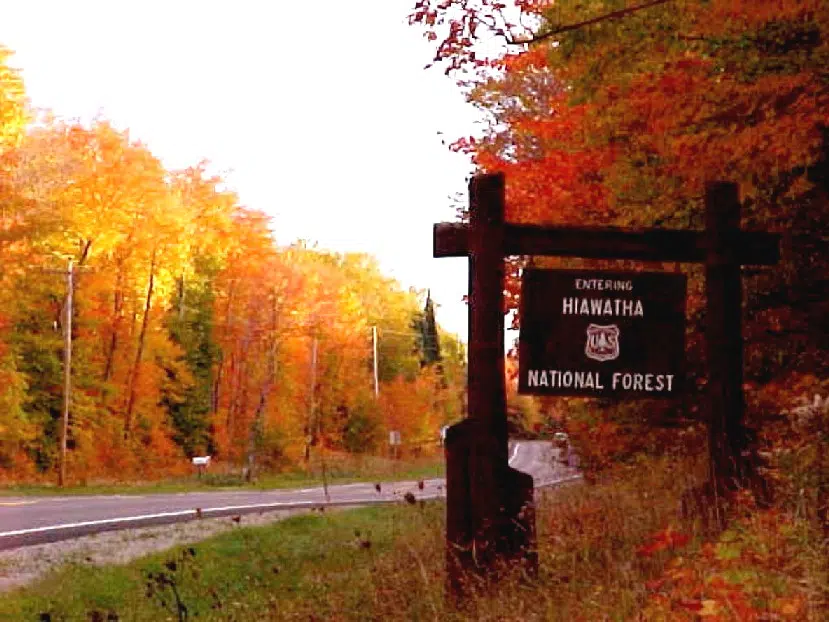
For more information about the Hiawatha National Forest’s 2019 prescribed burn plans, visit the Forest’s News & Events page or contact your local ranger district office.