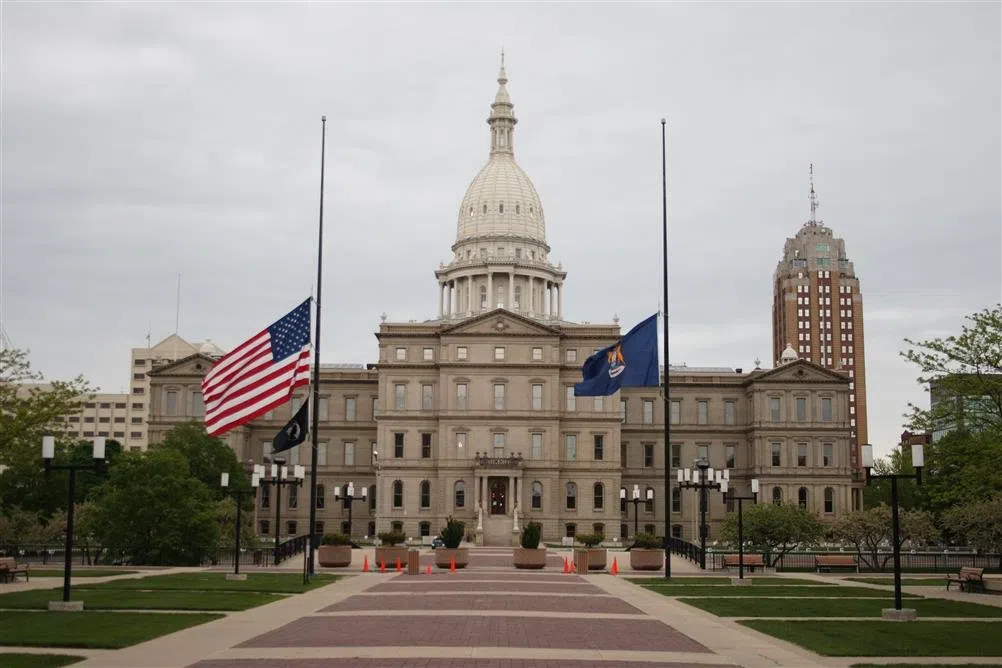
An all-nighter in the Michigan Legislature as lawmakers work to finalize the 2026 Fiscal Year State budget.
As of Friday 4:00 morning, the House and Senate were still in session trying to work out the details of the budget that was supposed to be finalized by now.
The House adjourned at 4:18 a.m. Friday, and will return to session on Tuesday at 1:30 p.m.
A 24-percent wholesale tax on marijuana in Michigan is a key part of funding more money into state road and bridge repairs. The Senate passed that controversial tax on a 19-17 vote.
Another part of the road funding package that passed Friday morning in the senate was using some of the state’s corporate income tax revenue to fund road repairs. That passed, 22-14, after also passing in the state house last week.
The main budgets approved late Thursday night are roughly $52 billion for general government operations, and $24 billion in the education budget.
It passed in the Michigan House, 101-8, late Thursday night, and in the Senate, early Friday morning, it passed, 31-5. Then, the education budget passes in the House at about 2 a.m., 104-5, sending the legislation to Gov. Gretchen Whitmer’s desk.
Michigan’s K-12 schools would see almost $21.3 billion of the overall $24 billion education budget. Per-pupil spending would go up from $9,600 to just over $10,000, which is a roughly $450 increase. The state budget also includes money to continue the free school breakfast and free school lunch program championed by Gov. Whitmer.
The Corrections Department budget sees increased pay for corrections officers as the state continues to deal with staff shortages in our prisons.
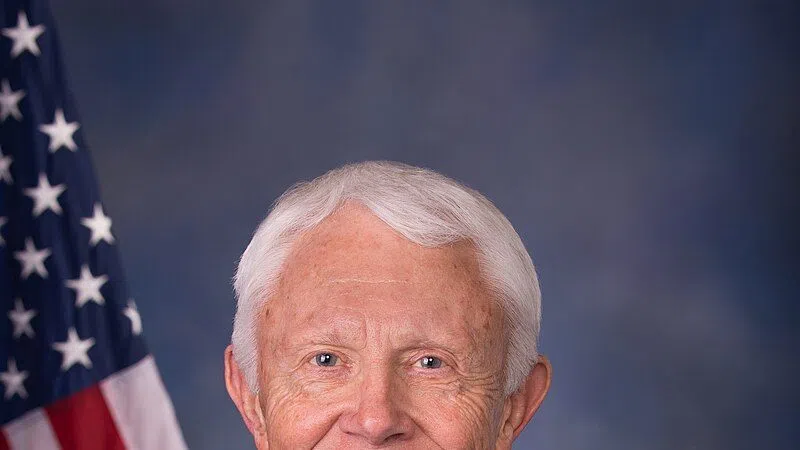
Upper Peninsula state representative Karl Bohnak (R-Marquette) hailed the budget deal.
“The process was long and hard-fought, but I’m proud to have negotiated a budget that will make an incredible, positive impact in our U.P. communities,” he said. “Our plan locks in a well-deserved raise for our corrections officers, protects our rural healthcare system, and ensures no child goes hungry.”
“We still have a lot of work to do to help our corrections officers, but this is a step in the right direction,” Bohnak added. “These individuals are the backbone of our criminal justice system and deserve way more respect and benefits than what they’re currently receiving. That being said, I’m proud we were able to secure this raise for them and their families.”
Michigan has been operating under a temporary state budget, signed into law by Whitmer early Wednesday morning after lawmakers missed the midnight budget deadline.
House Appropriations Committee Chairman, State Rep. Ann Bollin (R-Brighton), says the state budget “reins in state government while investing more in roads, schools, and critical services people rely on every day”.
She says the budget cuts 2,000 “unfunded phantom positions” that state departments have used to pad their slush funds, saving hundreds of millions of dollars that were redirected to real statewide priorities. We cut waste, restored balance, and set real priorities that reflect the needs of Michigan families.”
Democratic Senate Majority Leader Winnie Brinks (D-Grand Rapids) hailed the passage of the budget early Friday morning.
“Senate Democrats worked across the aisle to get the job done and deliver another responsible budget that boosts public education, invests in our aging roads, and protects access to health care, all while mitigating the worst effects of the devastating federal cuts. I cannot emphasize enough the importance of state legislatures in this critical, tenuous moment,” Brinks said. “From continuing the widely successful universal school meals program to striking a sustainable, long-term roads deal, this bipartisan budget underscores our unwavering commitment to Michigan schools, families, and local communities.”



















Comments