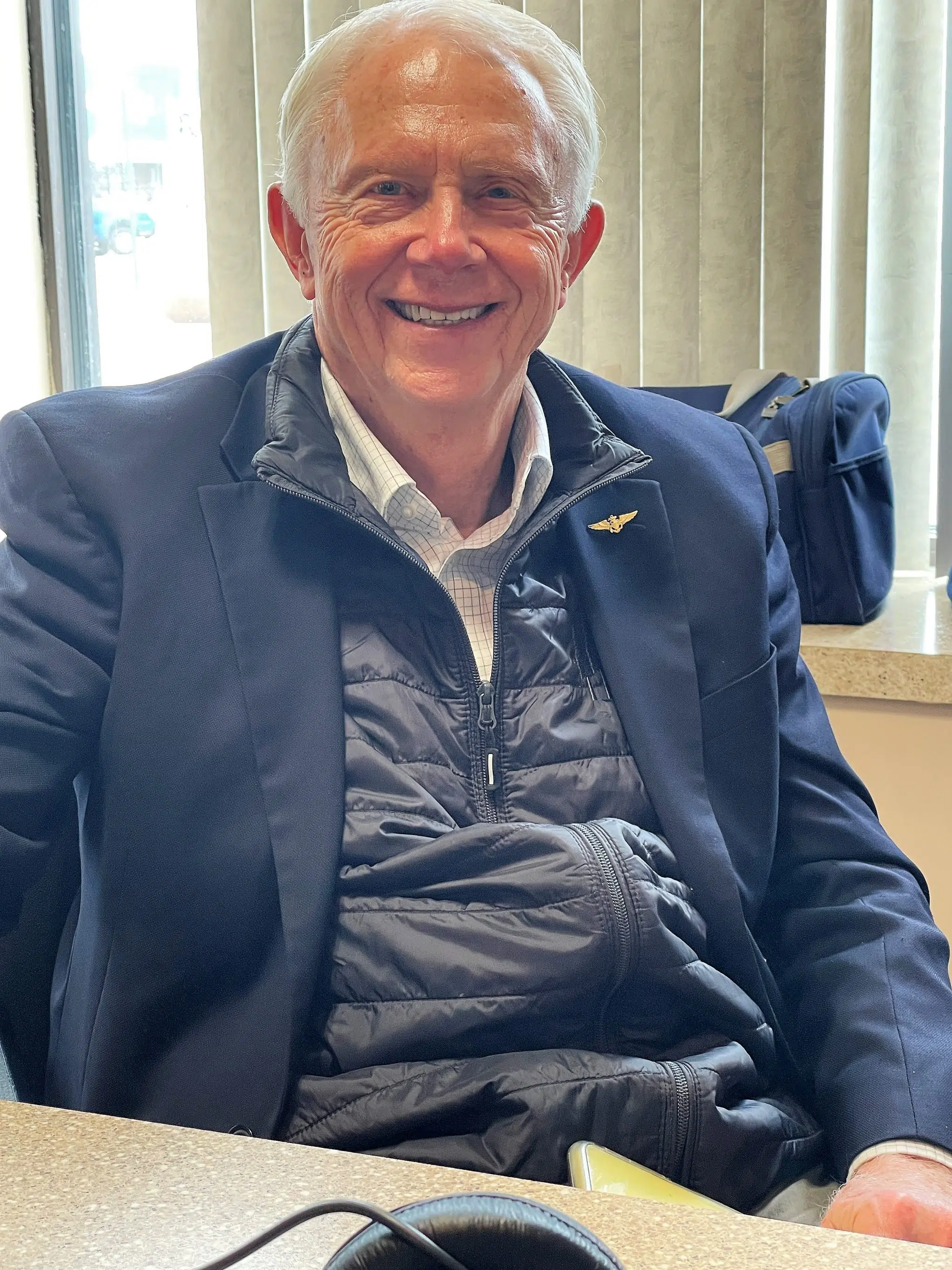
Upper Peninsula Congressman Jack Bergman and three of his House colleagues have introduced the SMILE for Veterans Act, bipartisan legislation establishing a Department of Veterans Affairs pilot program to reimburse community-based dental providers for care provided to rural Veterans.
Under current law, only about 15 percent of the nearly nine million Veterans enrolled in VA health care are eligible for VA dental services. Eligibility is generally limited to Veterans with a service-connected dental condition, a 100 percent disability rating, or former prisoner-of-war status.
“For too many Veterans in rural communities, basic dental care is either too far away or simply out of reach,” said Rep. Jack Bergman. “The SMILE for Veterans Act offers a practical solution by connecting Veterans with trusted dental providers already serving their communities. Rather than building an expensive new federal system from the ground up, this legislation uses existing local providers to deliver care efficiently and closer to home.”
The SMILE for Veterans Act is supported by AMVETS, the National Rural Health Association, and the CareQuest Institute for Oral Health.
In 2024, the CareQuest Institute funded 10 projects across the country to identify the barriers Veterans face in getting oral health care.
The Upper Peninsula Commission for Area Progress (UPCAP) was among the recipients, and with the help of the funding, was able to hold community forums across the region. The forums brought together Veterans, servicemembers, families and caregivers, dental providers, insurers and health plans, and policymakers to discuss Veteran oral health and what keeps Veterans from getting care.
The project, led by Frank Lombard, UPCAP’s U.P. Veterans Program Manager, produced troubling findings about the dental health and unmet needs of Veterans in rural Michigan. One survey of 835 Veterans found:
Poor oral health: More than a third of Veterans surveyed rated their oral health as only fair or poor.
Veterans are pulling their own teeth: 32 Veterans reported extracting one of their own teeth during or after military service because they couldn’t get in to see a dentist – 1 in 8 of those who answered the question. Among Veterans who rated their oral health as poor, the rate was more than 1 in 4.
Widespread tooth loss: More than 75 percent of respondents who answered reported losing two or more teeth to decay or gum disease. Nearly 40 percent have lost six or more.
Enrolled in VA care, but no dental benefit: 83 percent of respondents are enrolled in VA health care, yet 44 percent reported they are not eligible for VA dental care, with another 32 percent unsure whether they qualify. Fewer than 2% reported being service-connected for dental care.
No dental insurance: Nearly 37 percent of Veterans reported having no dental insurance. Among those rating their oral health as poor, more than half are uninsured.
Cost is the leading barrier: Affordability was the most frequently cited reason for not visiting the dentist more often. That includes 43 percent of Veterans in poor oral health.
Long gaps in care: Nearly a third of Veterans had not seen a dentist in more than a year. More than 20 percent had gone three or more years. Among Veterans in poor oral health, 58 percent had not had a dental visit in the past year.











Comments