The Congressional Psychedelics Advancing Therapies (PATH) Caucus released a report capturing responses to a 2024 Request for Information into how psychedelic-assisted therapy (PAT) could be safely and ethically integrated into the United States health care system.
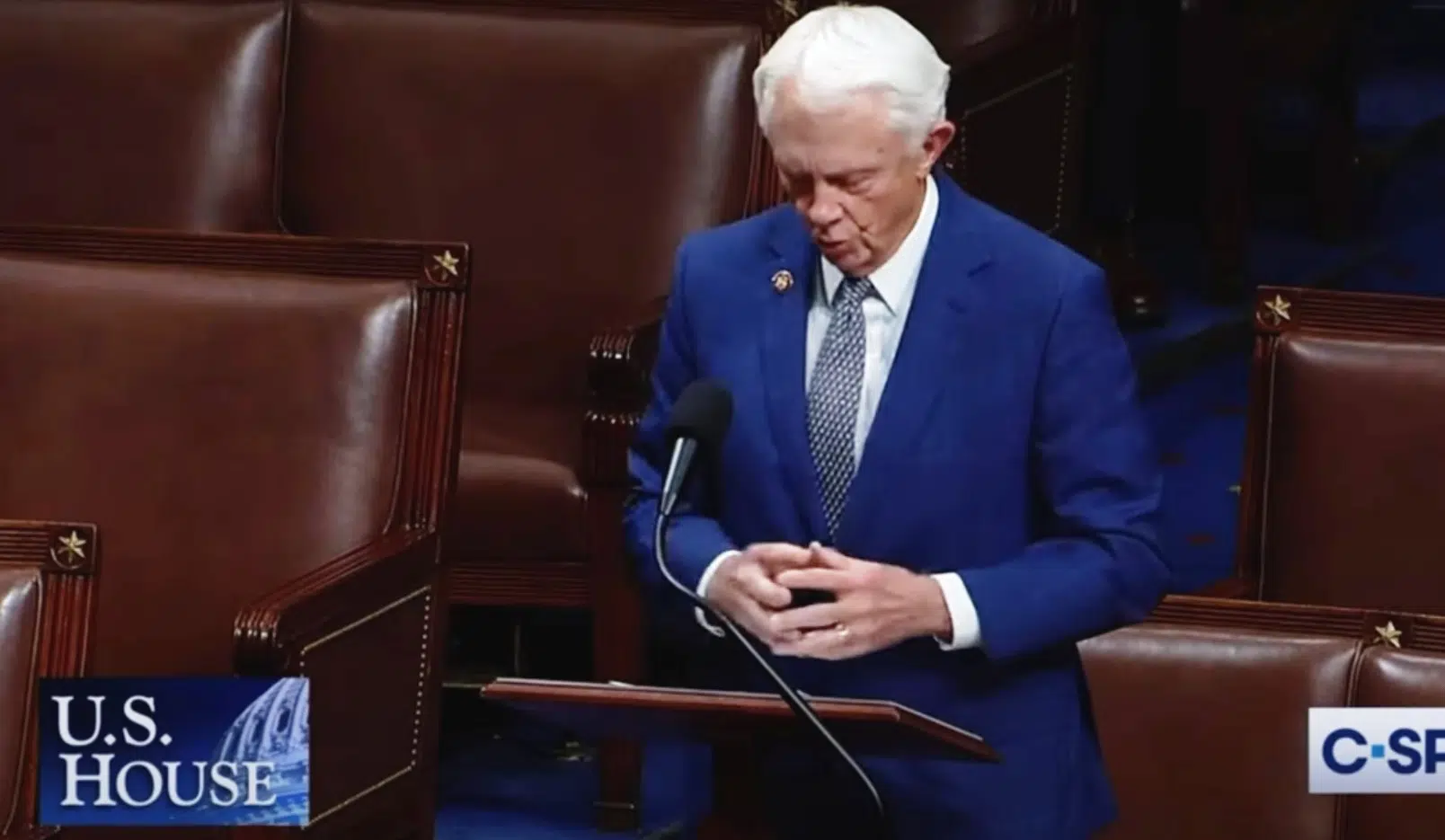
Upper Peninsula Congressman Jack Bergman says the report found broad consensus among clinicians, researchers, Veteran advocates, Tribal leaders, payors, regulators, and patients that PAT could offer safe, equitable, and evidence‑based treatment for a wide array of treatment-resistant conditions – including generalized anxiety disorder, depression, PTSD, and substance use disorder. It also offered several federal policy recommendations for the U.S. Food and Drug Administration (FDA) and Congress to consider as they aim to improve health outcomes for patients across the country.
“This report is exactly the kind of resource Congress needs to legislate responsibly,” said Congressman Jack Bergman (R-MI-01). “Our Veterans have waited long enough for successful treatments and breakthrough therapies to help mitigate PTSD and other service-related conditions. It’s time to advance real, actionable policies that meet the unmet mental and physical health needs of Americans in every community.”
Key Findings
Respondents agree that the U.S. faces a severe mental and behavioral health crisis – including treatment‑resistant depression, PTSD, suicidality, substance use disorder, and high unmet needs among Veterans, terminally ill patients, minorities, low‑income families, seniors, and rural communities – requiring novel and efficacious treatments.
Respondents highlight clinical trial evidence suggesting that PAT can produce meaningful and sometimes transformative improvements in PTSD, depression, end‑of‑life distress, addiction, and overall functioning and quality of life, though it is not considered a single solution and is seen as appropriate only in structured, supervised medical settings.
Respondents encourage national guidance and credential verification systems to be developed before the first FDA approvals of prescription psychedelic medicines
Respondents highlight the need for evidence-based, standardized adverse event monitoring and robust ethical guidelines to protect patients and ensure trust.
Respondents recommend federal guidance that supports multidisciplinary, culturally competent care teams.
Policy Recommendations
The report suggests that federal agencies – including the FDA, U.S. National Institutes of Health, Substance Abuse and Mental Health Services Administration, Department of Homeland Security, Department of Veterans Affairs, Department of Defense, Drug Enforcement Administration, and Office of National Drug Control Policy –should work with state regulators and Tribal Nations/Territories to develop national guidelines for safe and ethical delivery of prescription psychedelic medicines
The report recommends that federal agencies establish flexible, tiered credentialing pathways to balance safety with accessibility, and to standardize consent and screening protocols nationally.
The report proposes a hybrid policy framework to guide Congress, federal agencies, Tribal Nations/Territories, states, and communities in a balanced, pragmatic rollout of PAT, supported by coordinated leadership, flexible regulation, investment in workforce and infrastructure, and robust long‑term data systems.





















Comments