CLICK TO HEAR JACK HALL’S INTERVIEW WITH ADRIANNE WOODLAND, AAA
More than 58,000 deer crashes were reported in Michigan last year, resulting in 13 fatalities and 1,724 injuries.
As deer activity increases during the fall breeding season, AAA reminds motorists that October through December are among the most dangerous months for deer-related crashes and is sharing guidance to help drivers stay safe on the road.
According to Michigan Traffic Crash Facts, motorists reported 58,271 deer crashes in 2025, with nearly 41% occurring during October, November and December.
“Michigan drivers are entering the most dangerous time of year for deer collisions,” said Adrienne Woodland, spokeswoman for AAA – The Auto Club Group. “Drivers often have only seconds to react when a deer enters the roadway. Slowing down, scanning the roadside and staying focused behind the wheel can help reduce the risk of a serious crash.”
Deer-related crashes are among the most common wildlife incidents on Michigan roadways. The risk increases during the fall breeding season when deer become more active and more likely to cross roads unexpectedly.
Drivers traveling on rural roads, wooded corridors and two-lane highways should use extra caution, particularly at dawn and dusk when deer are most active.
More than three-quarters of vehicles involved in deer crashes are passenger vehicles, SUVs and vans. Oakland County recorded the most crashes in 2025 with 2,259, followed by Kent (1,960), Genesee (1,659), Jackson (1,557) and Ottawa (1,498).
“One of the biggest mistakes drivers make is swerving to avoid a deer,” Woodland said. “While the instinct is understandable, leaving the roadway can result in more severe crashes involving trees, guardrails, utility poles or other vehicles.”
AAA recommends motorists:
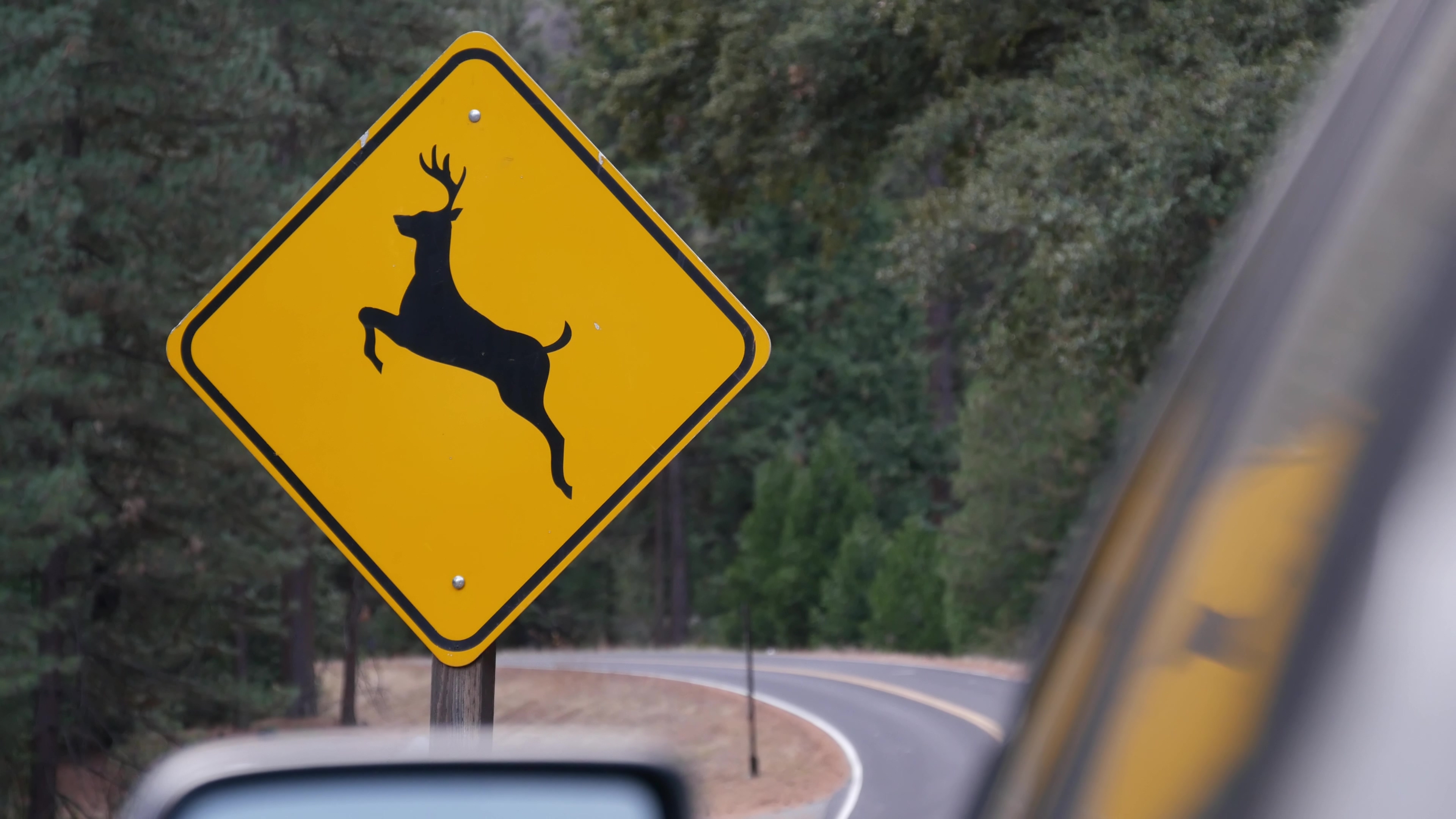
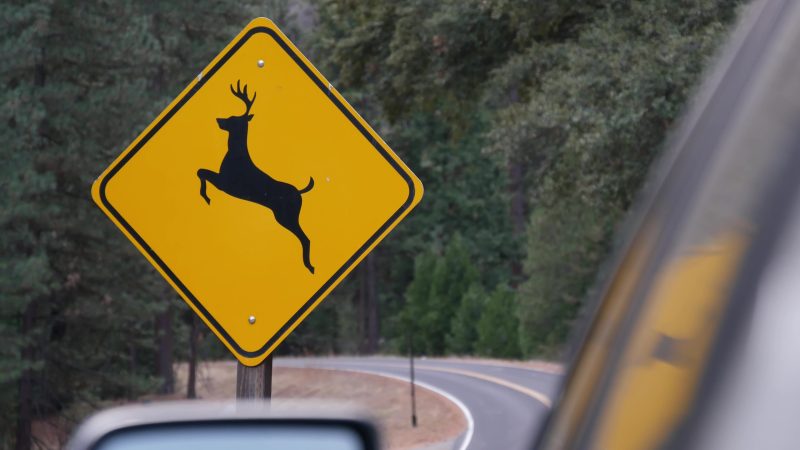
- Slow down, especially on rural roads and in areas marked with deer-crossing signs.
- Remain extra vigilant at dawn and dusk.
- Use high beams whenever safe and legal.
- Watch for groups of deer. If one crosses the road, others are likely nearby.
- Brake firmly if a collision appears unavoidable.
- Stay in your lane and avoid sudden steering maneuvers.
- Avoid swerving sharply, which can increase the risk of a more serious crash.
“If a deer suddenly appears in your path, your safest response is usually to brake firmly and maintain control of the vehicle,” Woodland said. “Many of the most severe crashes occur when drivers swerve and strike another vehicle or roadside object.”
Damage caused by striking a deer is typically covered under comprehensive auto insurance, an optional coverage that protects against certain non-collision losses, including animal strikes.
Many drivers mistakenly assume a deer crash falls under collision coverage because another object is involved. However, claims resulting from striking an animal are generally handled under comprehensive coverage.
“A deer strike can result in thousands of dollars in vehicle repairs,” Woodland said. “Understanding your coverage before a crash occurs can help eliminate surprises during the claims process.”
AAA encourages motorists to review their policies, understand their deductibles and confirm whether they carry comprehensive coverage before peak deer-crash season arrives. Drivers with questions about their coverage should contact their insurance provider.
If you collide with a deer:
- Move to a safe location if possible.
- Turn on your hazard lights.
- Do not approach the animal. Injured deer can be unpredictable and dangerous.
- Photograph the damage and crash scene.
- Contact law enforcement if required.
-
Notify your insurance carrier promptly.

















Comments