
CLICK TO HEAR CALEB GORDON’S INTERVIEW WITH NICK LANGLIEB
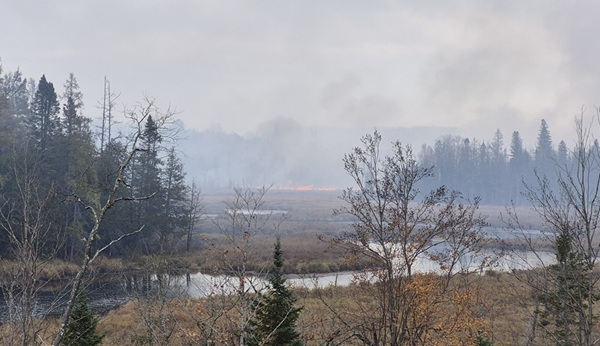
The National Weather Service is warning of another day of poor air quality, that all due to those wildfires in Northern Minnesota and Western Ontario, brought here by a northwesterly wind. Nick Langlieb is a meteorologist with the weather service in Marquette and says Friday may provide a short reprieve.
But he says that Upper Peninsula air quality is exceptionally bad right now. The smoke can be dangerous to those with lung and heart conditions, so he urges you to close your windows and if all possible, stay indoors and use the air conditioner.
Winds expected to shift Friday, which may lessen the severity of the smoke, but Langlieb says it won’t be fully gone until the wildfires are under control. There’s 176 fires burning in Ontario, on the other side of Lake Superior from us. And 62 are out of control.
According to Paul Berg, M.D., M.H.A., chief medical officer and senior vice president at MyMichigan Health, understanding the health risks associated with poor air quality is essential, especially for those with underlying medical conditions.
“Poor air quality doesn’t just affect people with chronic lung disease,” said Dr. Berg. “When air quality reaches unhealthy levels, everyone can experience health effects, although children, older adults, pregnant women and individuals with heart or lung disease are at greater risk.”
For people living with asthma, chronic obstructive pulmonary disease (COPD) or other respiratory illnesses, exposure to wildfire smoke can trigger coughing, wheezing, shortness of breath and flare-ups that make these conditions more difficult to manage.
Even healthy individuals can experience irritation of the eyes, nose and throat, coughing or difficulty breathing when air quality is very unhealthy. Exposure to elevated levels of air pollution may also increase the risk of cardiovascular events, including heart attacks and strokes, particularly among people with existing heart disease. Long-term or repeated exposure may also affect lung development in children and adolescents.
Dr. Berg encourages residents to take precautions when air quality deteriorates by limiting time outdoors, especially during strenuous physical activity. He also recommends keeping windows and outside doors closed to prevent smoke from entering the home and using air conditioning or an air purifier, when available, to improve indoor air quality. When driving, residents should set their vehicle’s ventilation system to recirculate the air inside the vehicle. Those who must spend extended periods outdoors should consider wearing a properly fitted N95 respirator to help reduce exposure to harmful particles in the air.
Individuals should seek prompt medical attention if they experience severe shortness of breath, chest pain or tightness, wheezing or worsening symptoms of asthma, COPD or other respiratory conditions. Those with chronic lung disease should continue taking prescribed maintenance medications and keep rescue inhalers readily available.



















Comments